



































The complete set of 198 Hints are available in paperback from the CYC-Net Press store.

 Listen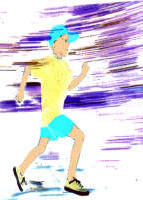
When we finish our shift it is useful to ask ourselves "What did I learn today?" This is a good test of the educational and growth qualities we are creating in the environments we design and manage. If we reply "I didn’t learn anything, but I did my job," then we are in danger of doing the same job tomorrow ... and the next day. We are also in danger of reducing our role to that of keeping order and maintaining the status quo.
Child and youth care work is much more than this. The young people we work with are on a fast-tracked growing and learning course between Point A (where they are having difficulty in believing in themselves and motivating themselves and functioning adequately in their personal, social, educational lives) to Point B (where they have built for themselves a raft of attitudes, skills and resources which make it possible for them to cope with a reasonable chance of effectiveness) – and they will get to the finishing posts of childhood and adolescence at the same time as everybody else.
In the short while that we are in contact with youth in our program, there is much to do. Every moment is precious, every step can be a step forward, and the climate for growth and learning which we create must be a real one – a climate that we participate in as much as we would like the youngsters to do.
As the kids battle with attachment and reassurance and identification issues, with their self-image and confidence and with daily challenges, we are walking just a little ahead of them, acutely aware of how fast we can move, when to slow down, when to wait. In every moment we are learning more about the youth, more about ourselves, more about the skills and techniques we are building and using. Not to keep order or maintain the status quo, but to keep things changing and moving onwards, to discover new possibilities and opportunities.
And as we walk through new territory, unknown when we woke up this morning, we learn. We both learn. At the end of our shift we (and the young people we are working with) are in another place.
So, what did I learn today?


