



































The complete set of 198 Hints are available in paperback from the CYC-Net Press store.



 Listen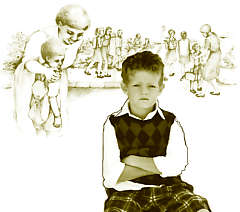
Programs are careful to see that staff are assigned to
particular youth – to make sure that the available adults are getting
around, purposefully, to all of the kids. This happens formally, as in
scheduled duties, classes, activity groups, etc. It also happens informally,
as the young people and staff members get to spend time together in free
periods.
Ultimately it is less important for staff and youth to be connected on paper
(as in timetables, clinical plans, etc.) than for helpful relationships to
develop in reality.
The fact that Mrs Smith is "seeing" the difficult Tommy three or four times a week as part of an intervention plan may not be having as great an impact on Tommy as his impromptu lunchtime chats with Mrs Brown in the cafeteria. Also, the fact that Mr Green is devoting fully one-third of his free time to the successful Cindy may be a waste of resources when six other staff members are also spending a lot of time with Cindy.
The team might consider a few thoughts on the economy of our human resources.
Troubled kids have a way of rebuffing care workers. For one thing, a worker may not be ‘reaching’ the assigned youngster; for another, the youngster does not attract the informal approaches of other workers.
Staff members have a way of enjoying time with improving and successful kids. Their work is affirmed when they share moments with youth who are doing OK, but they may be wasting precious time on what is less urgent and less critical work.
So some kids have a way of getting left out of the food chain and not really being reached by anyone. And, ironically, it is probable that one or two of the adults in the program may really like this "left out" kid, but the team is not discovering this, and so is not taking advantage of these potential relationships.
If relationships are so crucial in our work, we should be more creatively auditing their availability, their potentials and their distribution.


