



































The complete set of 198 Hints are available in paperback from the CYC-Net Press store.
 Listen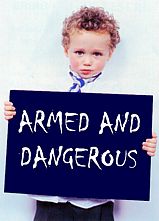
It's very easy to pick up a bias on how we see newcomers to our program – depending on how they came to us. Kids enter the helping services through various “gates” and the different referrers see things from their own perspectives. They tend to describe young people – and express their expectations – in their own terms.
If a youth comes through the ‘neighbourhood gate’, say from the local community centre or youth club, we may be being asked to give them some ideas as to how they can help: “Say, we have a problem with this youngster.”
If the youth comes through the ‘educational gate’ we may be being asked to work on the child’s grades or attitude to school: “Say, we have this difficult, disruptive, failing pupil . . .”
If he or she comes through the ‘welfare gate’ we
could be being asked to work with the child's neglectful family ...
“Say, we have this poor kid in this disadvantaged family ...”
If the child comes through the ‘psychology or psychiatry gate’ the
expectation could be managing aggression or depression: “Say, we have
this screwed up, unhappy, angry kid ...”
If the entrance is through the 'juvenile justice gate': “Say, we have this repeat offender, drug abuser, gang member ...”
Perhaps most tragic are the self-referred youngsters (street children are often like this) who come by themselves because they see the lights on and the food smells good ...
There may turn out to be complex problems for us to work with, but no prizes for guessing that all these kids probably share surprisingly similar situations and feelings about themselves. Before we hang around their necks the labels they arrive with, let's get to meet them on common terms, see if they like one lump or two in their tea, pull up a chair, call them by their names.
Get past the labels.


